• Bake Oven Highlight

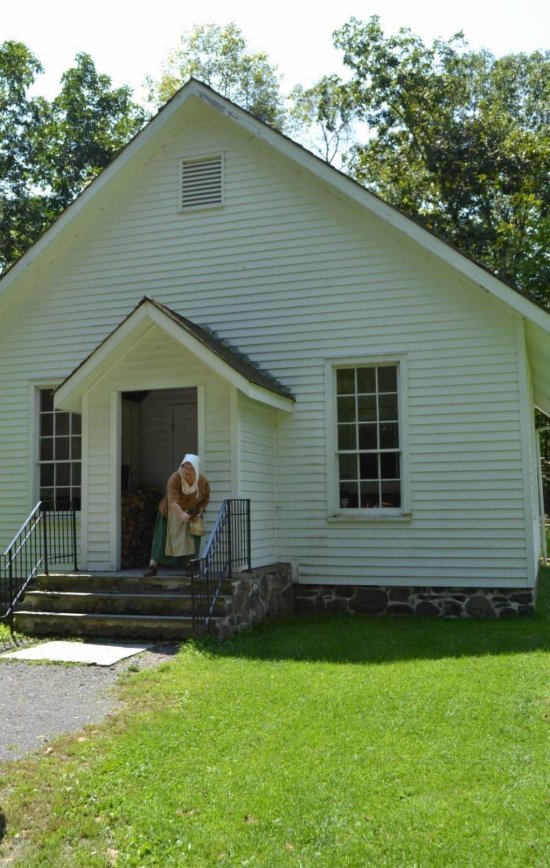
    Quiet Valley Living Historical Farm 347 Quiet Valley Rd, Stroudsburg, PA, United States

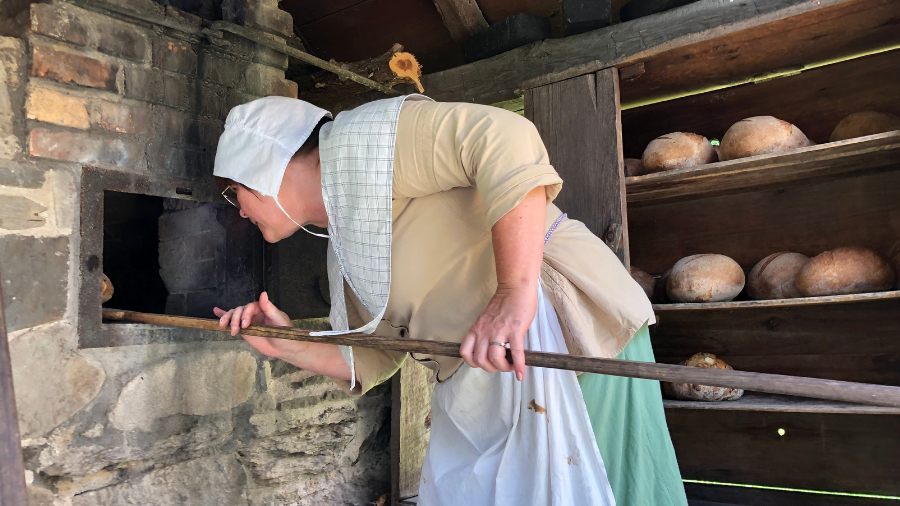
    For centuries, the bake oven was the heart of the homestead kitchen, providing families with fresh bread and baked goods on a weekly basis. From preparing the fire to testing the heat, baking in a traditional wood-fired oven was both an art and a science. Join us as we demonstrate how early American families used […]
  • Traditional Dyeing

    Quiet Valley Living Historical Farm 347 Quiet Valley Rd, Stroudsburg, PA, United States

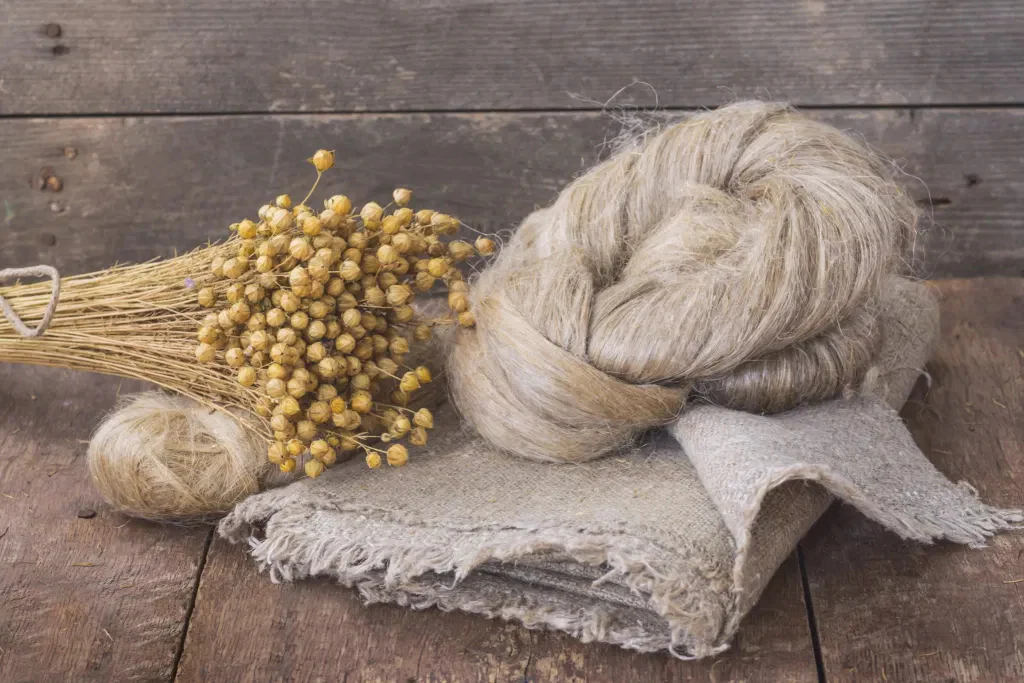
    The average Early American settler used wool from sheep and linen made from flax for their clothing. When processed, both fibers are an off white to tan color. Since color in clothing was usually desirable, the farm wife would have to use natural plant materials to dye the skeins of yarn or fabric. Come discover […]

  • Cheese Making

    Quiet Valley Living Historical Farm 347 Quiet Valley Rd, Stroudsburg, PA, United States

    Farmer’s Cheese is a dairy product, an unripened cheese made by adding rennet and bacterial starter to coagulate and acidify milk. Farmer cheese may be made from the milk of cows, sheep or goats, with each giving its own texture and flavor. During coagulation the mixture separates into curds (solid) and whey (liquid), then the […]

  • Pottery Day

    Quiet Valley Living Historical Farm 347 Quiet Valley Rd, Stroudsburg, PA, United States

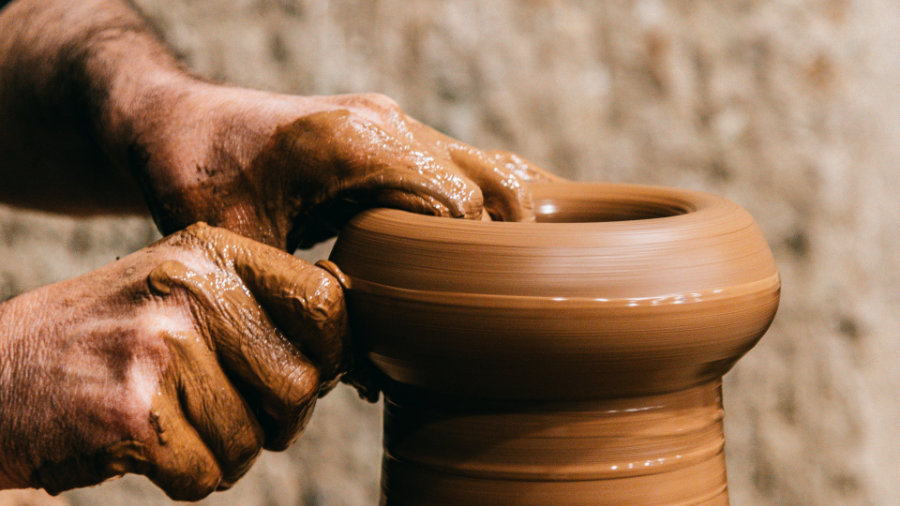
    This craft has been practiced for thousands of years and was a way to provide families with basic plates, cups and other types of vessels. Today the same articles are made as well as many other functional and artistic items. Instructor: Joan Glusiec Date: Friday August 7th Time: 10:00am – 3:30pm Fee: Included with tour […]

  • Herbs and Native Plants

    Quiet Valley Living Historical Farm 347 Quiet Valley Rd, Stroudsburg, PA, United States

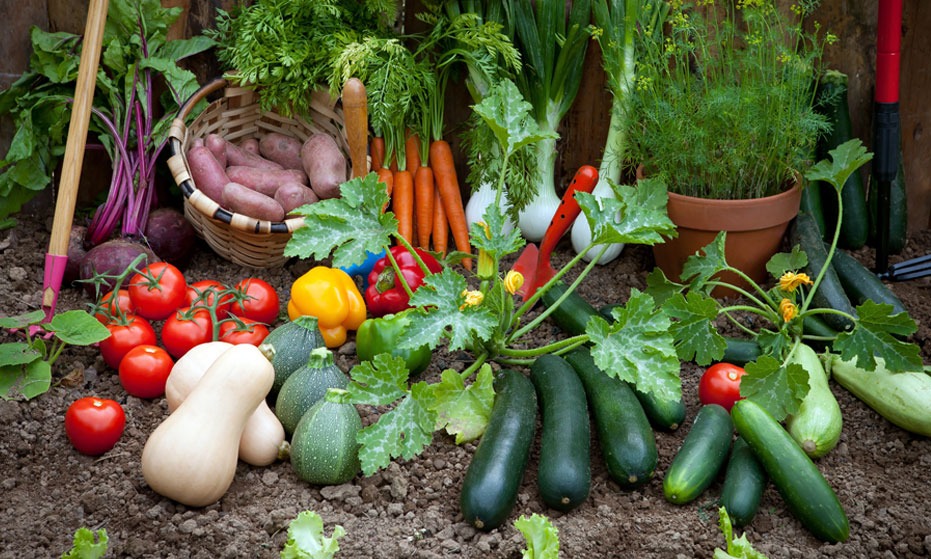
    Herbs and native plants played an important role on an 1800s Pennsylvania German family farm, providing natural remedies, seasonings, dyes, and ingredients for everyday household needs. Families gathered and cultivated these plants, relying on generations of traditional knowledge to support their health, cooking, and self-sufficient way of life.