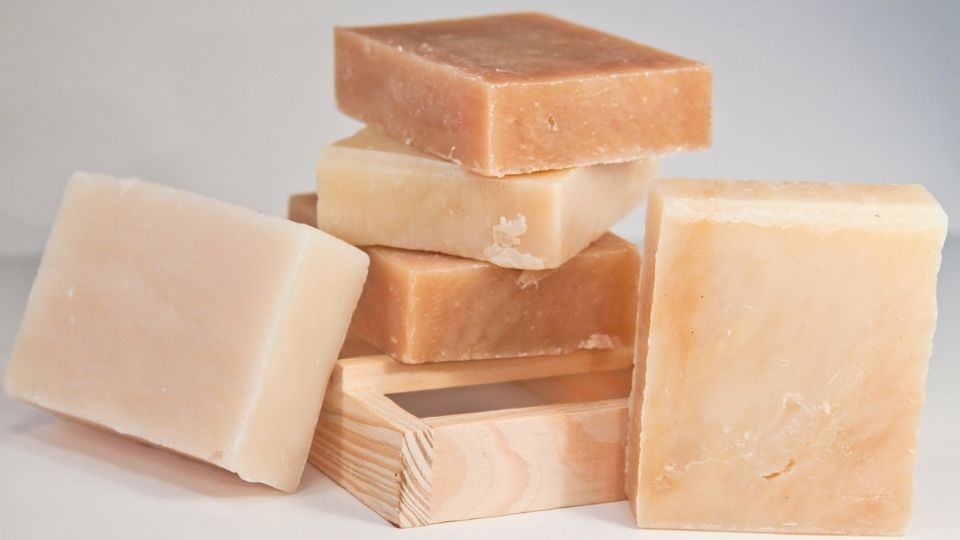
Soap Making
Learn about traditional soap making during our demo! Join us to see how we get the lye and use lard to make our soap for the year. Date: Wednesday, July 8th Time: 10:00 am - 3:30 pm Fee: Included with tour admission

Learn about traditional soap making during our demo! Join us to see how we get the lye and use lard to make our soap for the year. Date: Wednesday, July 8th Time: 10:00 am - 3:30 pm Fee: Included with tour admission
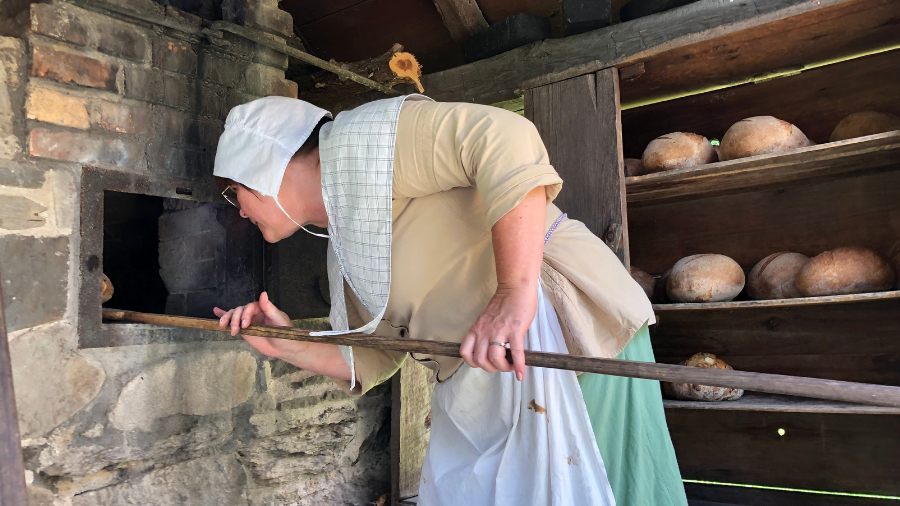
For centuries, the bake oven was the heart of the homestead kitchen, providing families with fresh bread and baked goods on a weekly basis. From preparing the fire to testing the heat, baking in a traditional wood-fired oven was both an art and a science. Join us as we demonstrate how early American families used […]
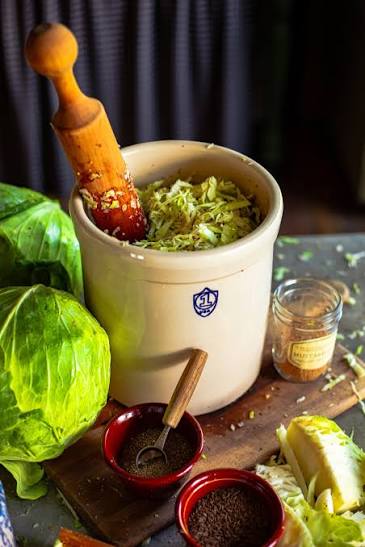
Sauerkraut making was a cherished tradition on 1800s Pennsylvania German family farms, where freshly harvested cabbage was shredded, salted, and fermented in large crocks to preserve it through the winter. This nutritious staple provided a reliable source of food during the colder months and reflected the family's resourcefulness and strong cultural heritage.
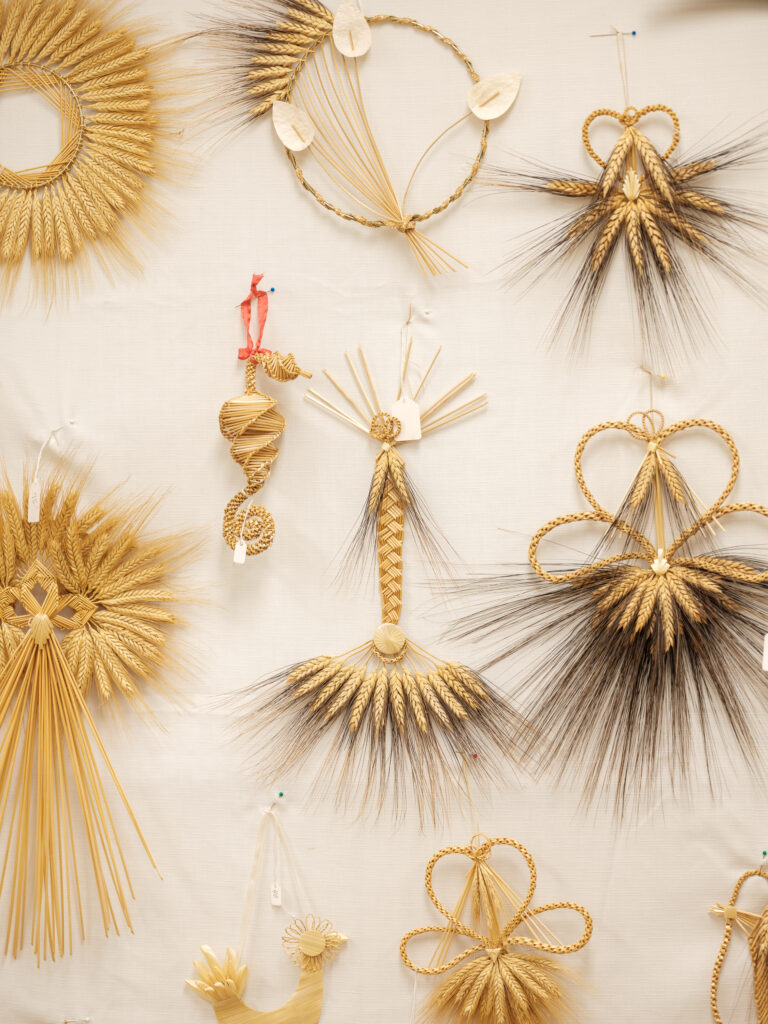
Wheat weaving was a traditional folk craft practiced by many Pennsylvania German farm families in the 1800s. These handwoven pieces were often displayed in the home or given as gifts, reflecting both the agricultural heritage and skilled craftsmanship of rural Pennsylvania German communities.
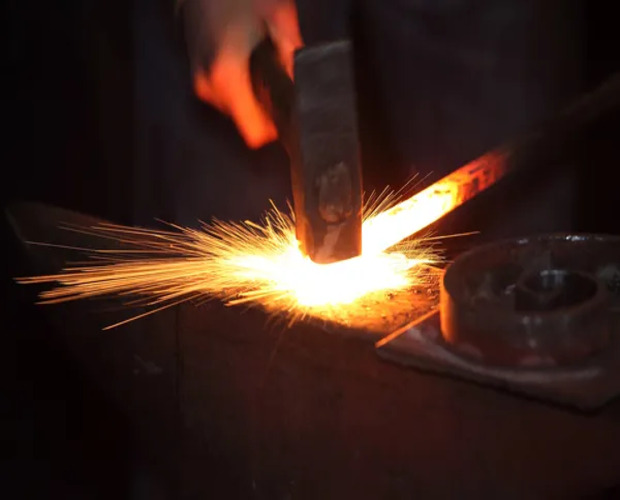
On a 1800s Pennsylvania German family farm, blacksmithing was an essential trade that kept the farm running by forging and repairing horseshoes, wagon parts, tools, and household hardware. The family blacksmith combined practical skill with traditional craftsmanship, creating durable ironwork that supported both daily farm life and the surrounding rural community.
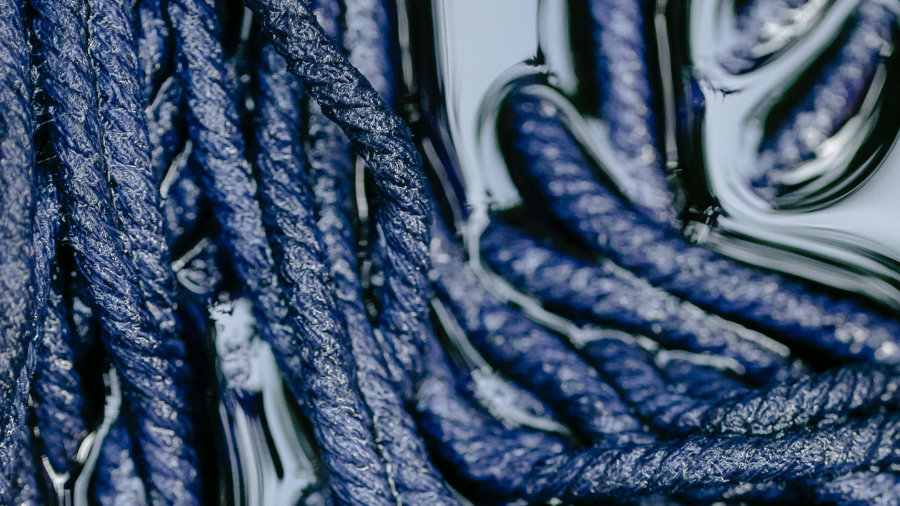
The average Early American settler used wool from sheep and linen made from flax for their clothing. When processed, both fibers are an off white to tan color. Since color in clothing was usually desirable, the farm wife would have to use natural plant materials to dye the skeins of yarn or fabric. Come discover […]
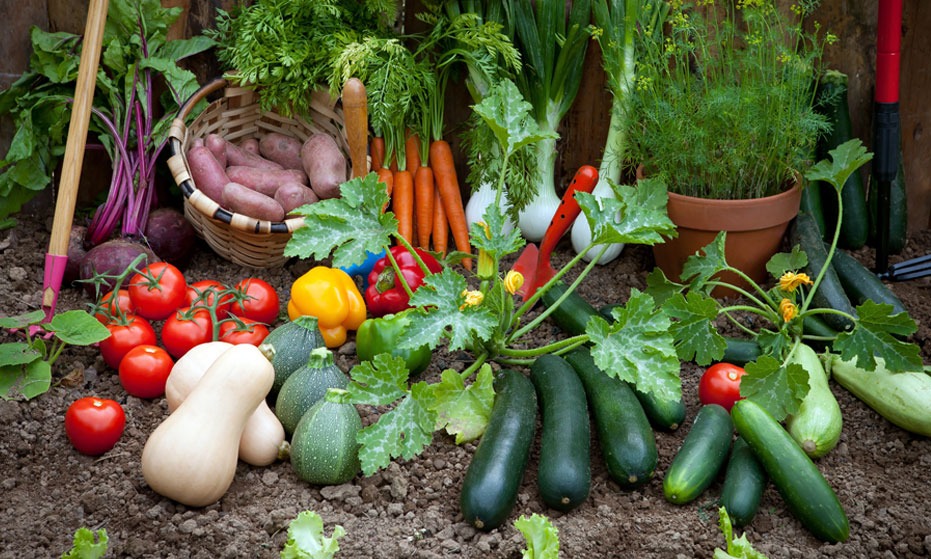
Join the Penn State Master Gardeners in our historical garden and learn about how vegetables and herbs were used on a 1800s family farm.
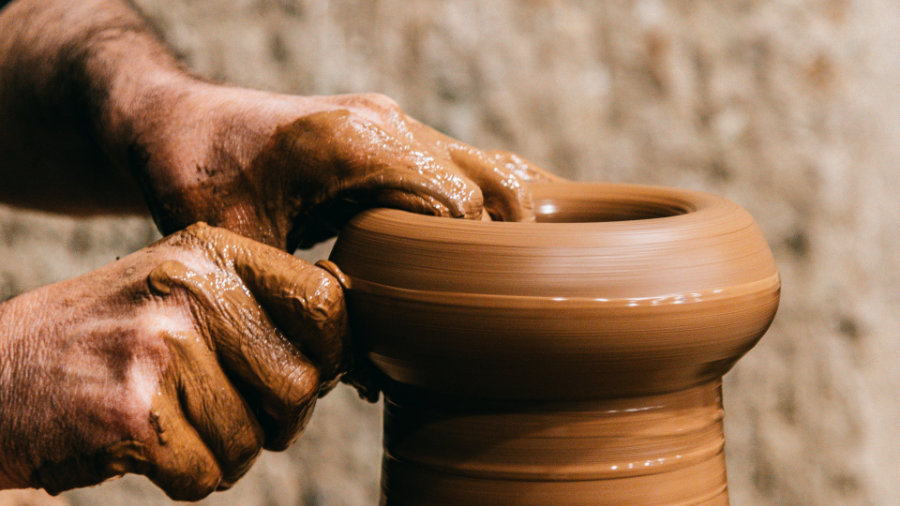
This craft has been practiced for thousands of years and was a way to provide families with basic plates, cups and other types of vessels. Today the same articles are made as well as many other functional and artistic items. Instructor: Joan Glusiec Date: Friday August 7th Time: 10:00am – 3:30pm Fee: Included with tour […]
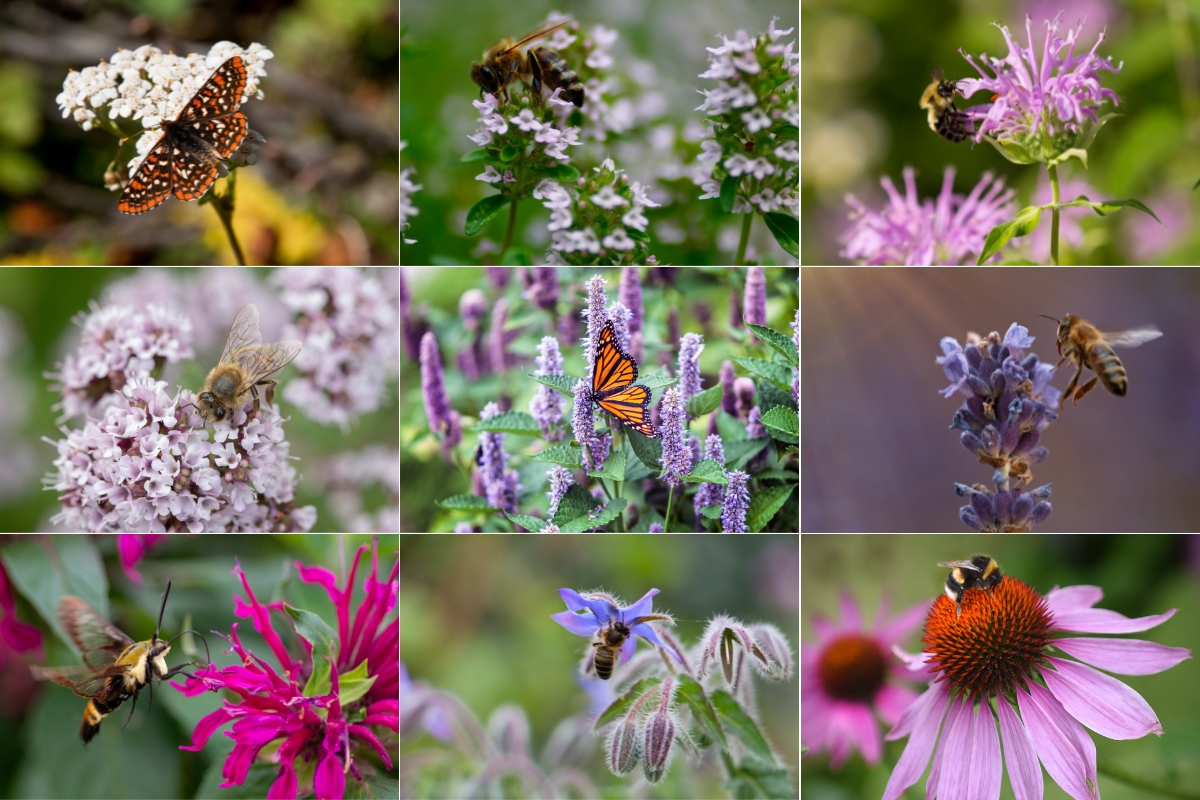
Herbs and native plants played an important role on an 1800s Pennsylvania German family farm, providing natural remedies, seasonings, dyes, and ingredients for everyday household needs. Families gathered and cultivated these plants, relying on generations of traditional knowledge to support their health, cooking, and self-sufficient way of life.
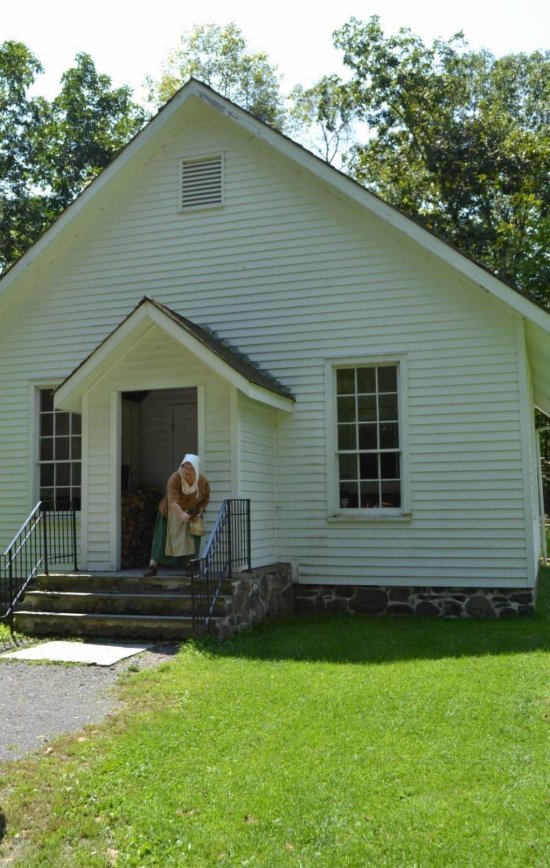
The one-room schoolhouse was the center of education for many children on 1800s Pennsylvania German family farms, where students of all ages learned together under the guidance of a single teacher. Beyond reading, writing, and arithmetic, the schoolhouse fostered a strong sense of community and prepared children with the knowledge and values needed for daily […]
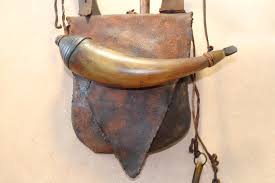
Leather and horn work were valuable crafts on an 1800s Pennsylvania German family farm, transforming animal hides and horns into durable everyday items such as harnesses, belts, shoes, combs, buttons, and utensils. These practical skills helped families make full use of farm resources while producing handcrafted goods essential for daily life and work.
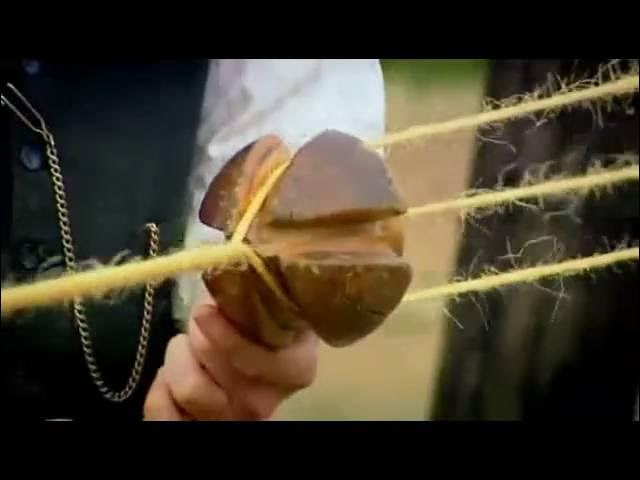
Rope and lace making were important traditional crafts on an 1800s Pennsylvania German family farm, producing sturdy rope for farm work and delicate lace for clothing and household linens. These handcrafts combined practicality and artistry, reflecting the family's self-sufficiency and the skilled techniques passed down through generations.